Home/Journal/Native Botanicals
Kakadu plum: what the science actually says
Terminalia ferdinandiana is a genuine antioxidant fruit with a supply chain and a lot of adjectives. Separate the vitamin C numbers from the miracle.
Tom Adebayo · · 12 min read
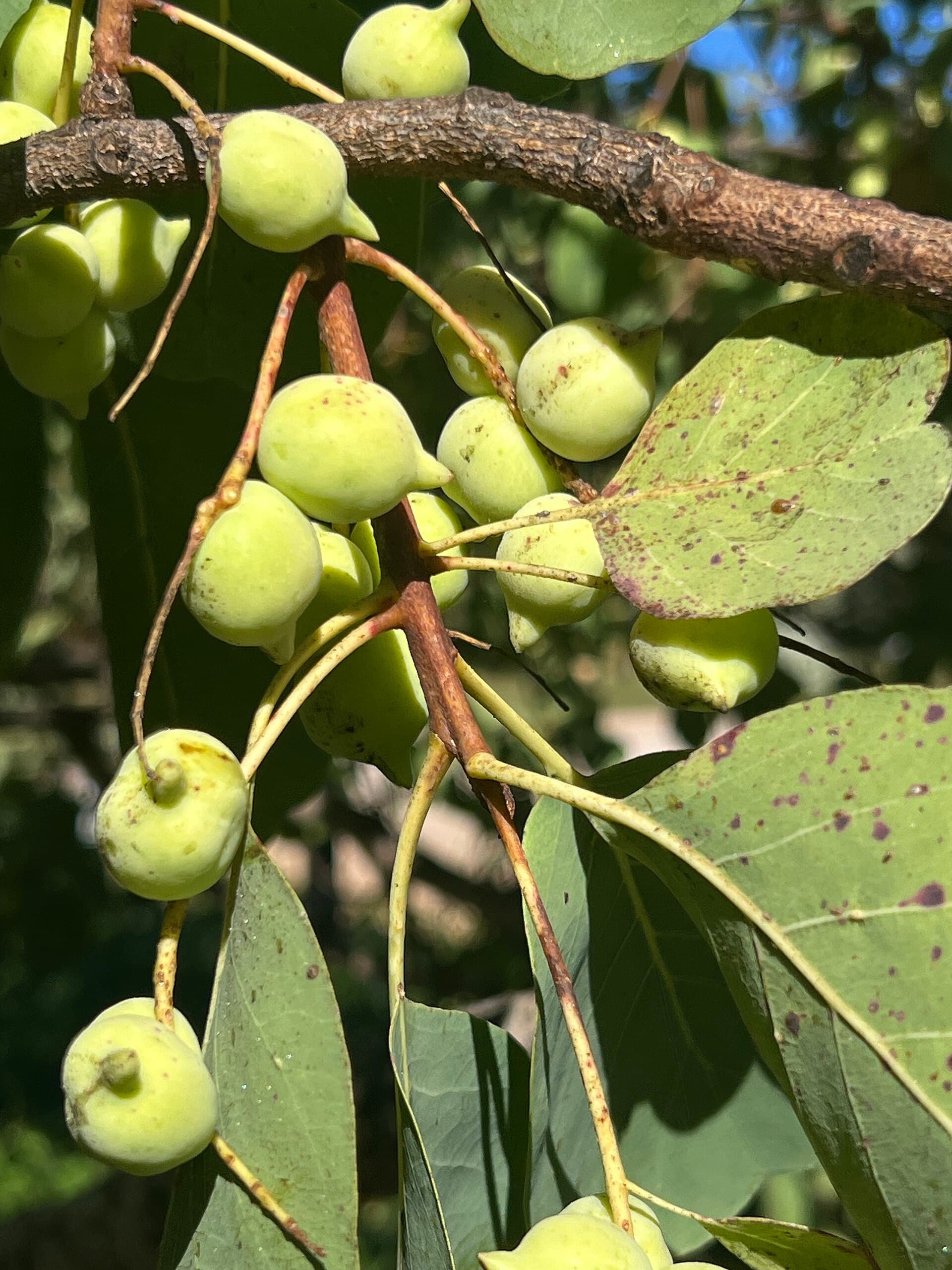
Image: Terminalia ferdinandiana fruit — John Hill, CC BY-SA 3.0. See all image credits.
The 2011 eshu pages named Kakadu plum the way a lot of Australian packaging still does: a fruit from the far north, used for a very long time, now asked to carry a moisturiser. That is not a crime. It becomes a crime when the adjective "ancient" is doing all the work and the formula is doing none.
Terminalia ferdinandiana is a real tree with a real chemistry and a real economy. It also has a marketing department that does not always live in the same postcode as the orchard. This is the house reading.
The plant, not the myth
Kakadu plum grows across northern Australia. Traditional owners have used the fruit as food and as a topical mash long before a Melbourne agency put it in a serif font. That history matters. It is not a randomised trial. When we say "used for thousands of years" we should mean traditional knowledge, not a substitute for a stability test.
The fruit is small, tart, and logistically annoying. It oxidises. It is seasonal. The industry that has grown around it includes Aboriginal enterprises and it includes people who buy a powder and a story. If you care about the ethics as well as the ascorbic acid, ask who was paid. A journal cannot audit every brand; a reader can still ask.
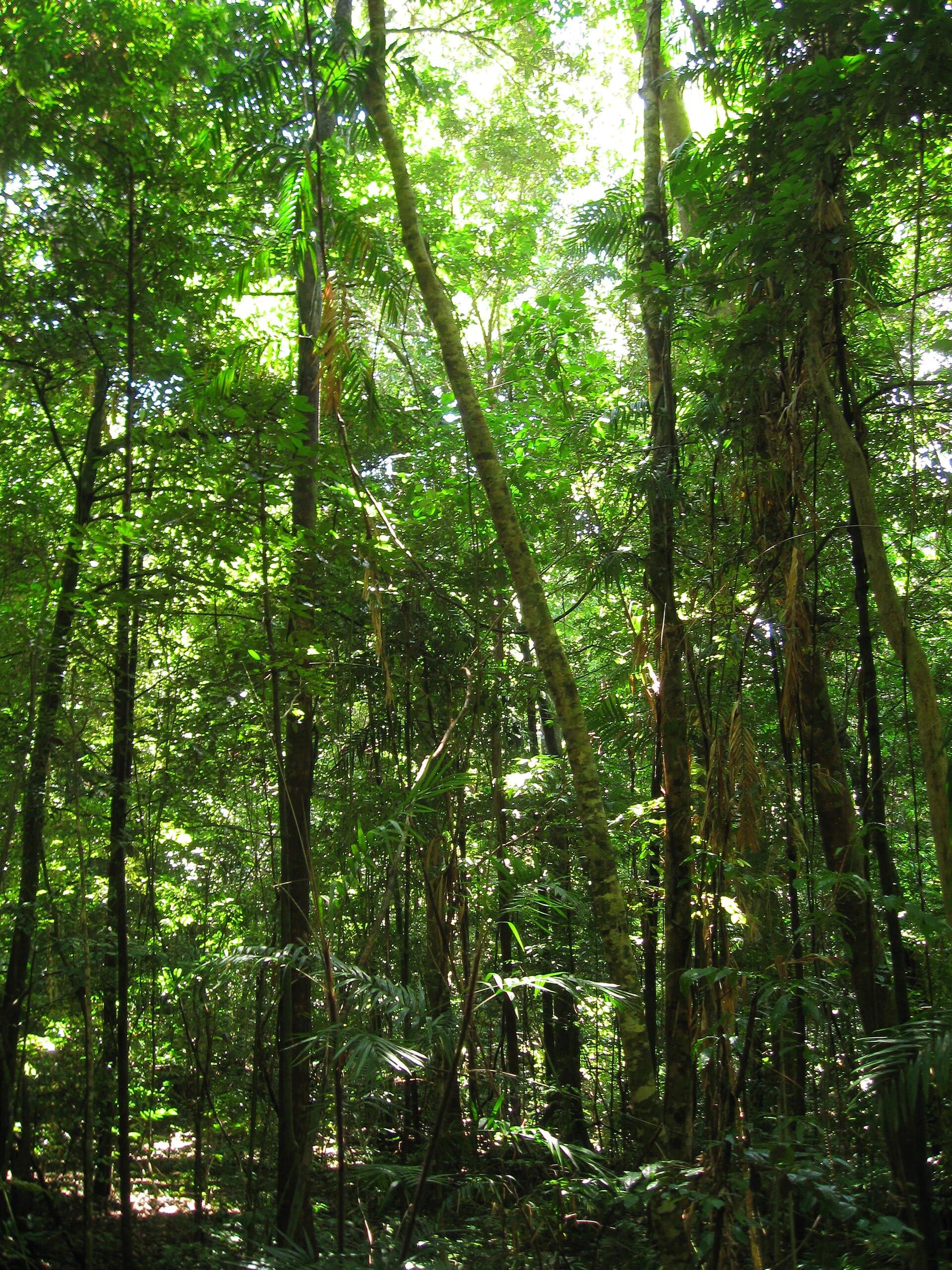
For the landscape that made the fruit famous, the wetlands picture on our credits page is a start. The plant is not a sunset. It is a harvest.
What the papers actually measured
Researchers have documented unusually high ascorbic acid in fresh pulp, along with ellagic acid and a mixed polyphenol story. Antioxidant capacity in a lab assay is not the same as a wrinkle disappearing on a face in Footscray. It is still more than a vibe. Vitamin C in skincare has a literature for brightening and for supporting photoprotection as a secondary player. The form, the pH, the percentage and the packaging decide whether you bought chemistry or a green sticker.
A powder that was high in vitamin C at harvest can be modest after spray-drying, transport and six months in a jar that also contains water, light and a fragrance. Extracts are not interchangeable. "Kakadu plum extract 1%" on an ingredients list below a dozen solvents is a cameo, not a lead.
If a brand publishes a percentage, an assay, and a use-by that is not fantasy, they are in the serious pile. If they publish a drawing of a fruit and the word "superfood", they are in the aisle.
How to use it without superstition
Think of Kakadu plum as one way to put antioxidants in a formula you already needed for other reasons — a moisturiser that suits Australian climate, a serum you will keep in the dark, a rinse-off that does not have to perform miracles.
Pair it with the habits that do the heavy lifting: sunscreen, a cream that matches the air, and a refusal to pick at the result. The daily moisturiser habit is still the main plot.
If you are sensitive, introduce one new product. Native does not mean hypoallergenic. People react to botanicals because botanicals are chemicals with a better publicist.
Reading the label
Our companion essay, how to read a native-ingredient label, is the field guide. The short version for this fruit: look for the Latin name, a position high enough on the INCI list to matter, and a brand that can tell you whether they mean juice, extract or a trademarked blend. "Inspired by" means the fruit was in a meeting.
Watch for the pairing with fragrance. A "bush scent" on top of a plum extract is how a neck gets angry in February.
Supply, respect and the sentence we should not throw around
There is a bad habit in Australian cosmetics of treating Indigenous knowledge as a free flavour. If a company uses the fruit, they can say how they source it. If they use a story, they can say whose story. This is not a politics lecture. It is how you avoid buying a cartoon.
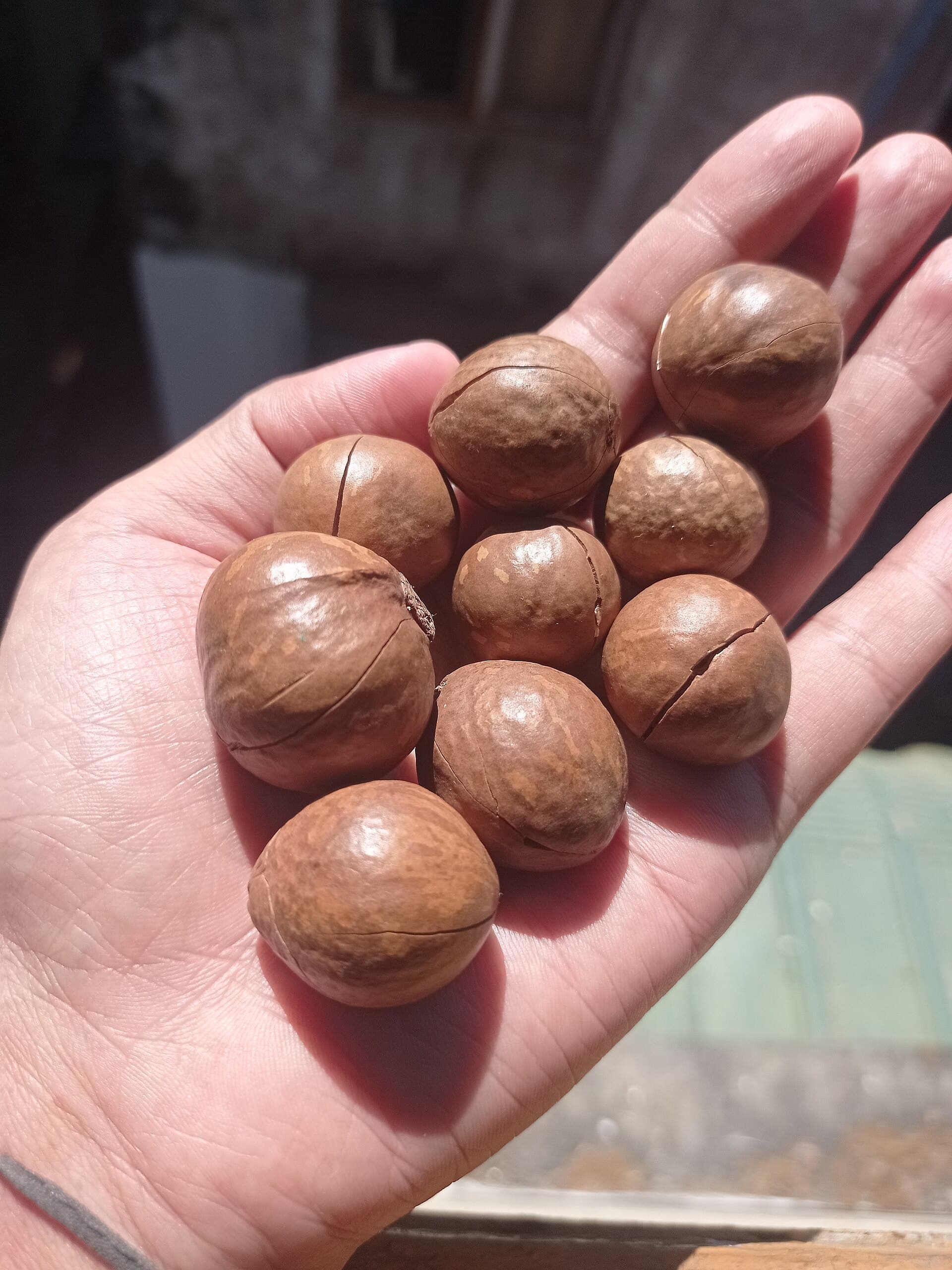
We will keep writing about natives that earn their keep — tea tree, lemon myrtle, macadamia, quandong and desert lime — with the same split: plant, evidence, label, respect.
Kakadu plum is not a miracle. It is a tart northern fruit with a strong ascorbic-acid file and a long human history. That is already enough. You do not need the rest of the paragraph on the box.
How we would test a bottle at the desk
We would ask five questions. What part of the plant? What form? What percentage, or at least what position on the list? What packaging keeps an antioxidant alive? Who was paid for the fruit? A brand that can answer three of five is already ahead of the aisle. A brand that answers with a painting of a sunset is selling the painting.
At home you can do a smaller test. Use the cream for a fortnight as your only new variable. If your face is calmer and less dull, keep it — the moisturiser may be doing the work and the plum may be coming along for the ride, which is still a fair deal. If your face is busier, stop. Native is not a personality you have to persist with.
Researchers will keep publishing on Terminalia. We will keep reading them. We will not pretend a new assay is a new commandment. The simple regime does not wait for a superfruit. It waits for weather.
A week of doing it, not decorating it
The useful test is seven days, not a new bottle. Write the weather in the morning — hot, dry, humid, recycled — and match the texture you already own. If you add anything, add it on day one only, and leave the rest of the cabinet alone so you can tell what changed.
Keep a photograph in the same bathroom light on day one and day seven. Not for social media. For honesty. Tightness, shine, a rash, a nick that will not settle: those are data. If the week is worse, stop the new thing. If the week is calmer, you have a habit, not a personality.
Carry the smallest version of the habit out of the house. A cream in a bag beats a perfect bathroom you do not visit at lunch. A hat on the seat beats a speech about UV. A hose, a tap, a rinse: the unglamorous verbs still do the work the aisle keeps trying to rename.
Tell one other person the plan if you live with them. Shared soap and shared towels will undo a careful face. Shared cream at the sink will save a pair of hands. This is not intimacy advice. It is logistics.
Workdays will try to steal the plan. A meeting runs late, a site has no tap, a roadhouse soap is a joke. That is why the plan has to be small enough to survive a bad Tuesday. Two steps plus sunscreen will travel. A ten-step will stay in the bathroom and sulk.
On the weekend, resist the urge to "catch up" with a peel, a device, or three natives at once. Catching up is how faces go red before a Monday. Repeat the weekday verbs. If you have sport, rinse sooner. If you have a long drive, wear the sleeve. If you have a roster, pack the pouch before you are tired.
If at any point the skin becomes a story you would not tell a barber — spreading, bleeding, changing, painful, febrile — you are no longer in a journal. You are in a waiting room. Take the timeline. Take the bottle. Leave the forum theories in the car.
The rest is repetition. Climate first. A wash that ends. A cream that matches the air. A sunscreen you will finish. Native ingredients that survive a label reading. Paid words declared, with rel=sponsored where money sat down. That is enough week, and enough continent, for this essay to end on.
Questions we keep getting
- Is Kakadu plum the highest vitamin C fruit on earth?
- Fresh fruit can test extremely high in ascorbic acid compared with oranges. That number does not automatically survive drying, storage, a formula and a year on a shelf. Ask what is in the bottle, not what was in a paper.
- Does a Kakadu plum moisturiser replace sunscreen?
- No. Antioxidants are a supporting act. Ultraviolet light still needs a filter, a hat and a sense of the index.