Home/Journal/Native Botanicals
How to read a native-ingredient label
A field guide to INCI lists, cameo percentages and the difference between a harvest and a mood board. Take it to the chemist with you.
Tom Adebayo · · 12 min read
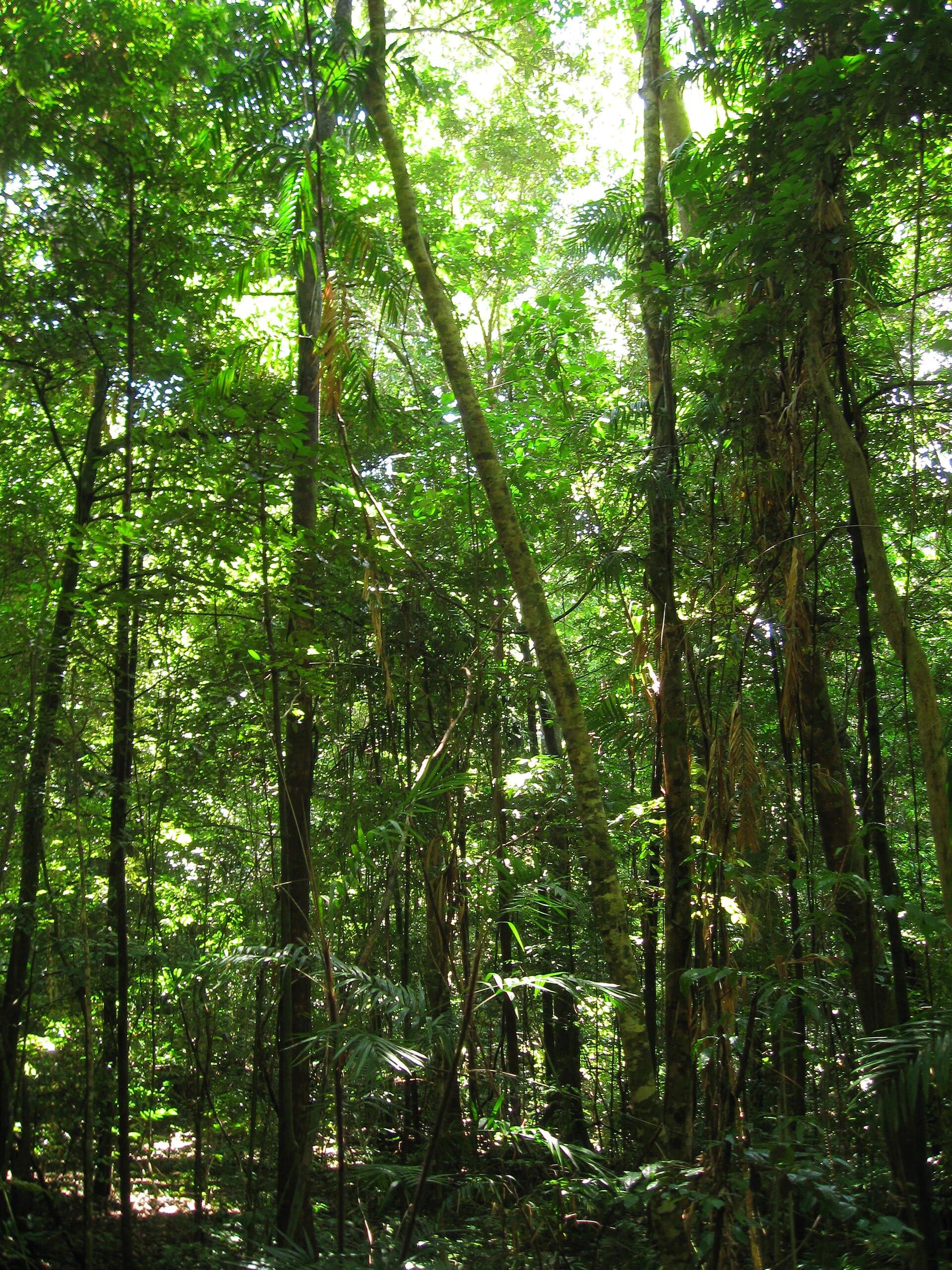
Image: Daintree Rainforest 4 — WorldWideWanderings, CC BY-SA 2.0. See all image credits.
The back of an Australian moisturiser is now a paddock. Latin names jostle with water, glycerin and a perfume the brand has called "desert wind". If you cannot tell a harvest from a mood board, you will pay extra for a leaf that never made it into the jar in a meaningful way.
This is a reading lesson. It sits with the plant essays — Kakadu plum, tea tree, lemon myrtle, macadamia, the forgotten cupboard — and with the simple regime. You do not need a chemistry degree. You need a method.
Start at the back, not the front
The front of the pack is advertising. The INCI list is a legal-ish order of concentration. Until you hit the 1 per cent zone, what is high is high. After that, brands may shuffle the remaining traces. In practice: if your hero plant sits after a novel of silicones and a perfume, it is a cameo.
Water (Aqua) first is normal. Glycerin high is a good sign for a moisturiser. A native oil in the top third is a real inclusion. A native extract after Parfum is a story.
Do not punish a brand for using water. Punish a brand for putting a fruit on the label larger than it appears in the formula.
Demand the Latin
Terminalia ferdinandiana. Melaleuca alternifolia. Backhousia citriodora. Macadamia integrifolia. If the box says "bush plum" and the list says nothing you can search, you are in the mood board.
Latin lets you look up the plant, the allergen, the phototoxicity, the food use. Common names wander. Kakadu plum is also gubinge and billygoat plum depending on who you are talking to. The binomial stays still.
Extract, oil, juice, powder, "water"
These words are not interchangeable.
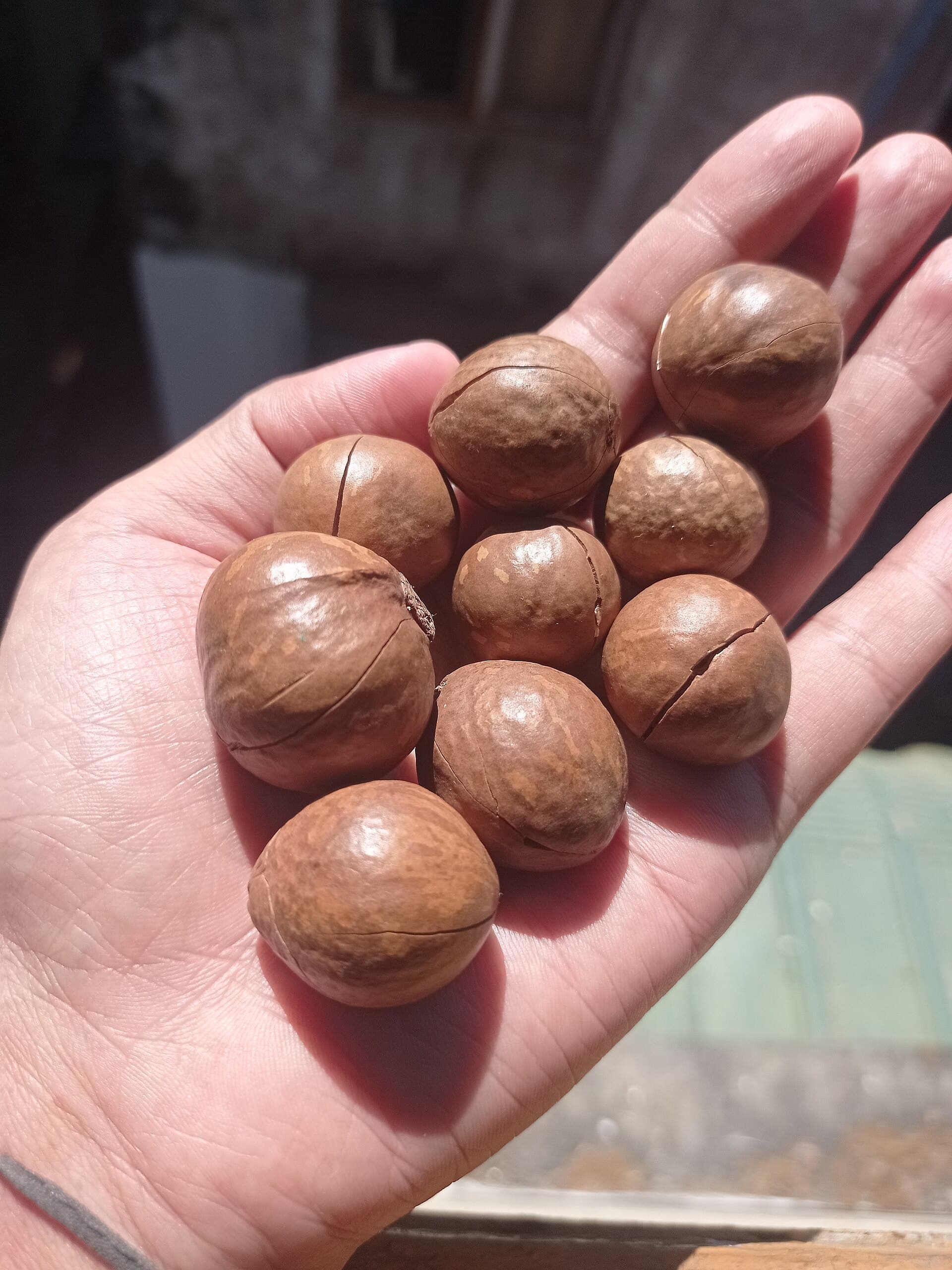
Oil from a nut or seed is a lipid. It behaves like macadamia.
Essential oil from a leaf is a scent and a potential irritant. See tea tree and lemon myrtle.
Extract can mean anything from a measured active to a homeopathic cameo. Ask what was extracted, in what, and how much landed in the bottle. You will not always get an answer. The asking still sorts the room.
Juice and powder have stability problems. Vitamin C stories die in warm water and light. A dark pump is a clue the brand has met a chemist. A clear jar in a sunlit shop is a clue they have met a stylist.
"Flower water" is mostly water. Pleasant. Not a serum.
Fragrance is doing more than you think
Parfum or Fragrance can hide dozens of molecules, including native fractions. If you react, you will not know which guest did it. "Unscented" and "fragrance-free" are not always identical; the former may use masking scent. If your neck is a barometer, pick the blander list.
A "native scent" that lasts until dinner is a roommate. The house preference remains the 2011 idea: arrive, refresh, leave. Scent layering will save your cologne.
Claims that should make you slow down
"Clinically proven" without a what, a where, or a number. "Ancient" as a verb. "Medical grade" from a company that is not supplying a clinic. "Non-toxic" — everything is a dose. "Chemical-free" — water is a chemical. "Organic native blend" with no certifier.
TGA-listed sunscreens are a different, more serious pile. If a moisturiser claims SPF, it should be a listed sunscreen and you should apply it like one. See UV and the daily habit.
Ethics is also a label
Who grew it, who picked it, who was paid, whose story was used. A QR code to a farm is better than a dot-painted triangle that means nothing. We cannot audit the aisle. We can refuse to pretend the question is rude.
If you want a deeper climate reason to care about what you put on a face, start with why Australian skin needs a different rulebook. The continent is the editor. The label is just the witness statement.
Take this page to the chemist. Read one list a week. You will get faster, cheaper, and harder to fool. That is the whole field guide.
A two-minute chemist method
Pick up the bottle. Read the front once, then turn it over and refuse to look at the front again. Find the first five ingredients. If you cannot recognise a moisturising story in those five — water, glycerin, a lipid, a humectant — the native name is probably entertainment.
Then find the Latin you came for. Count how many lines it sits from the top. Photograph the list if you are the sort of person who will otherwise forget in the car. At home, search the binomial plus "contact allergy" and "INCI". You will learn more in five minutes than a mood board can teach in a year.
If two products claim the same hero plant and one lists it next to water and the other lists it next to perfume, you have already done the comparison. Buy the boring one. Spend the difference on sunscreen you will finish.
A week of doing it, not decorating it
The useful test is seven days, not a new bottle. Write the weather in the morning — hot, dry, humid, recycled — and match the texture you already own. If you add anything, add it on day one only, and leave the rest of the cabinet alone so you can tell what changed.
Keep a photograph in the same bathroom light on day one and day seven. Not for social media. For honesty. Tightness, shine, a rash, a nick that will not settle: those are data. If the week is worse, stop the new thing. If the week is calmer, you have a habit, not a personality.
Carry the smallest version of the habit out of the house. A cream in a bag beats a perfect bathroom you do not visit at lunch. A hat on the seat beats a speech about UV. A hose, a tap, a rinse: the unglamorous verbs still do the work the aisle keeps trying to rename.
Tell one other person the plan if you live with them. Shared soap and shared towels will undo a careful face. Shared cream at the sink will save a pair of hands. This is not intimacy advice. It is logistics.
Workdays will try to steal the plan. A meeting runs late, a site has no tap, a roadhouse soap is a joke. That is why the plan has to be small enough to survive a bad Tuesday. Two steps plus sunscreen will travel. A ten-step will stay in the bathroom and sulk.
On the weekend, resist the urge to "catch up" with a peel, a device, or three natives at once. Catching up is how faces go red before a Monday. Repeat the weekday verbs. If you have sport, rinse sooner. If you have a long drive, wear the sleeve. If you have a roster, pack the pouch before you are tired.
If at any point the skin becomes a story you would not tell a barber — spreading, bleeding, changing, painful, febrile — you are no longer in a journal. You are in a waiting room. Take the timeline. Take the bottle. Leave the forum theories in the car.
The rest is repetition. Climate first. A wash that ends. A cream that matches the air. A sunscreen you will finish. Native ingredients that survive a label reading. Paid words declared, with rel=sponsored where money sat down. That is enough week, and enough continent, for this essay to end on.
Questions we keep getting
- Why is water always first on the list?
- Ingredients are listed in descending concentration until the small-print threshold. Water is usually the bulk of a moisturiser. That is normal, not a dodge.
- Is "organic Kakadu plum" a regulated claim in Australia?
- Organic claims depend on a certifier. Native claims are mostly marketing. Look for a certification logo you can trace, not an adjective.